Product Overview
The iMarViz Integrated Alarm Monitoring System is designed to collect, process, monitor, and display information from multiple shipboard systems through a centralized monitoring platform.
The system can integrate hardwired signals and communication-based data from machinery, generators, tank gauging systems, valve systems, fire detection, gas detection, bilge and ballast systems, and other OEM packages.
With centralized alarm visualization, event history, trends, diagnostics, and equipment status, operators can monitor vessel systems from dedicated monitoring stations and respond quickly to abnormal operating conditions.
Types of Valves

Double Flange Butterfly Valve

Angle Type SDNR /SDSL Valve
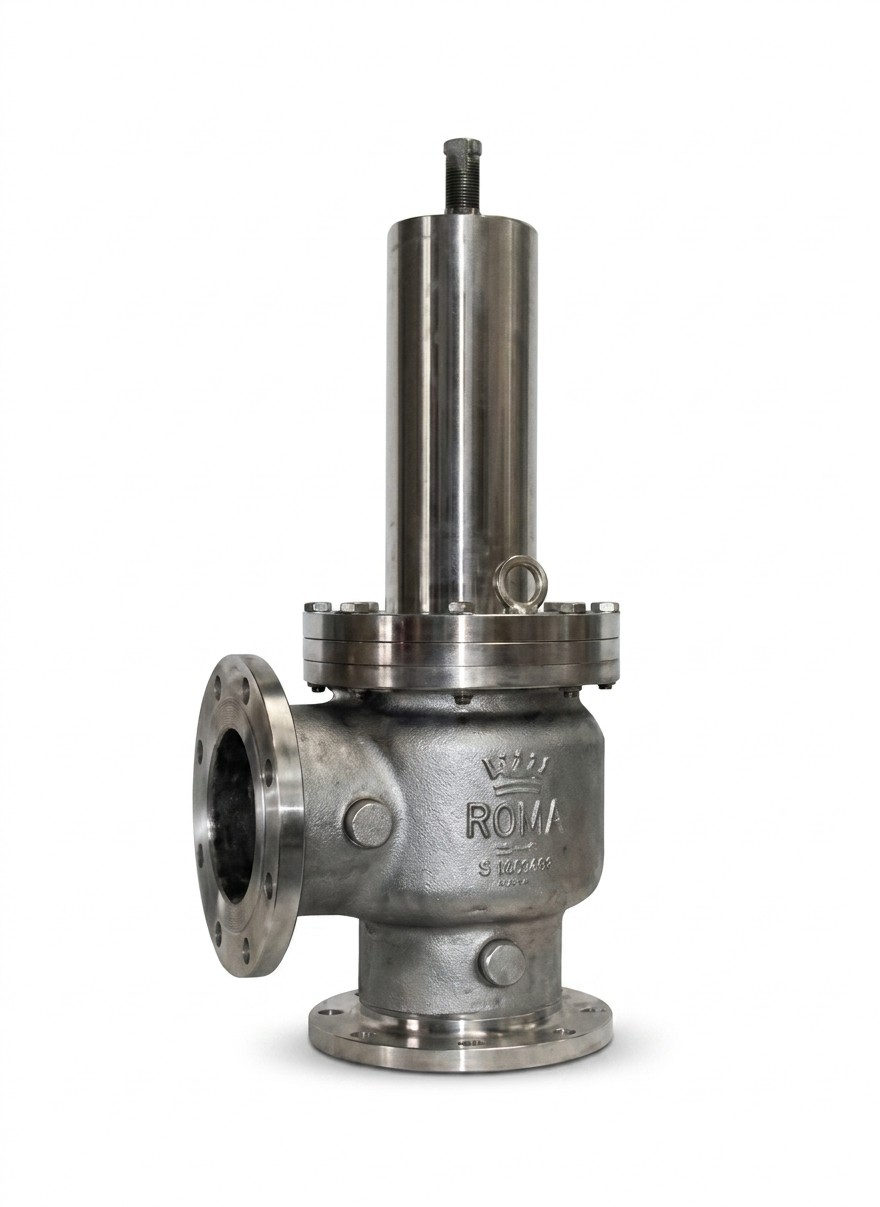
Pressure Relief Valve
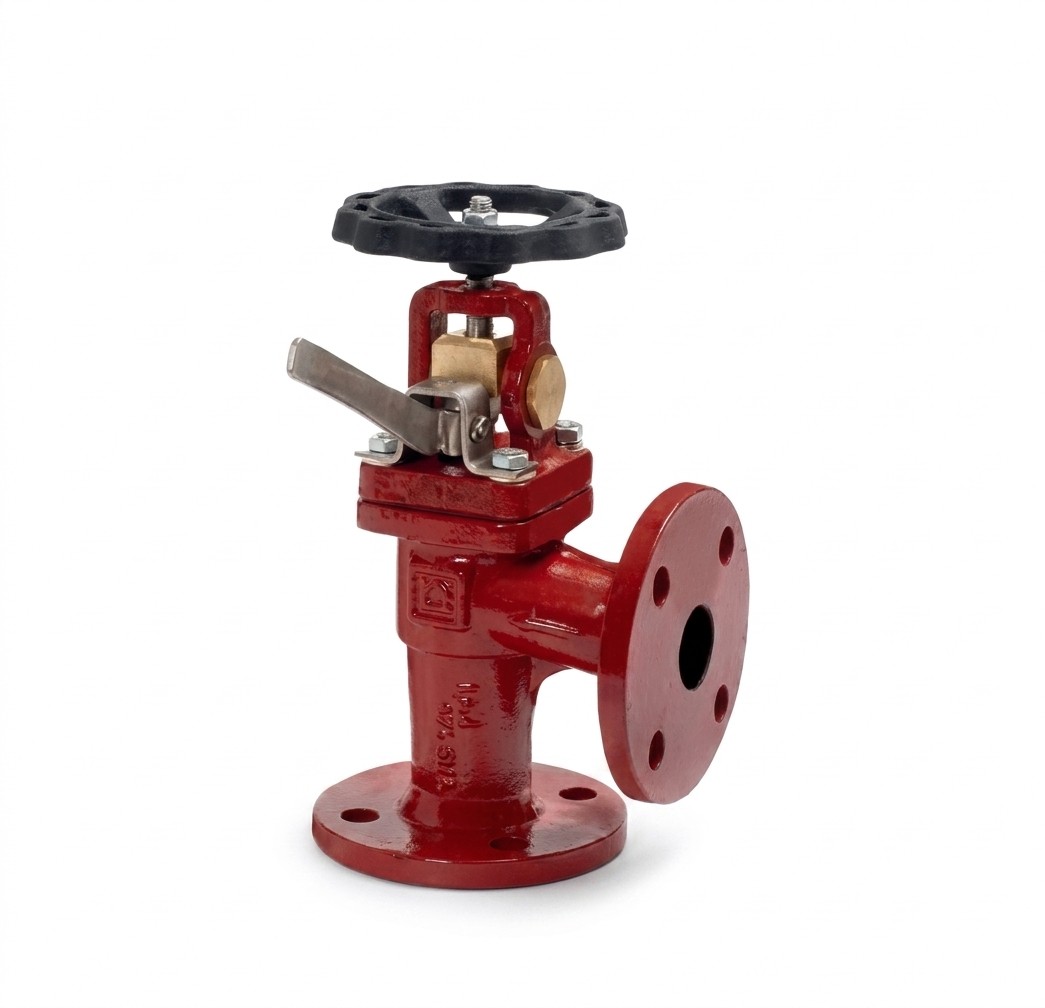
Self Closing Valve
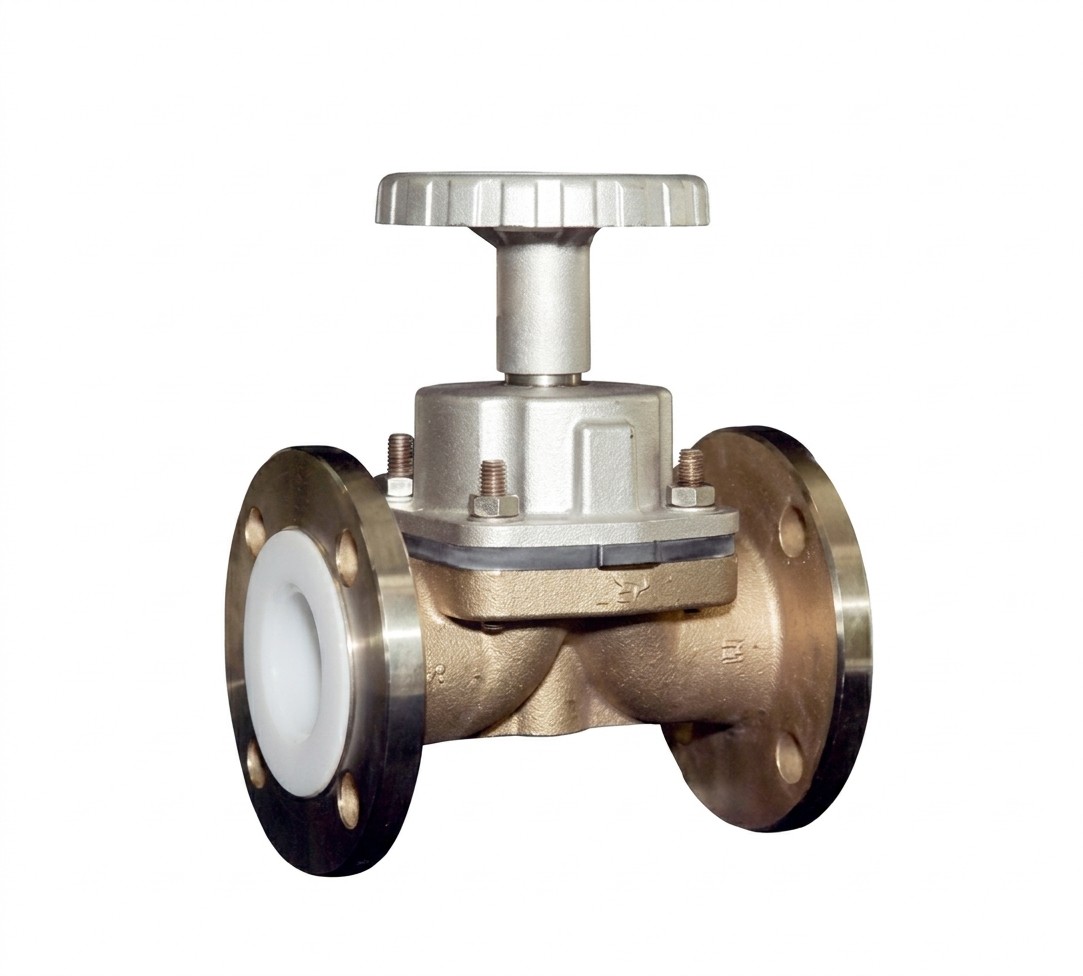
Diaphragm Valve
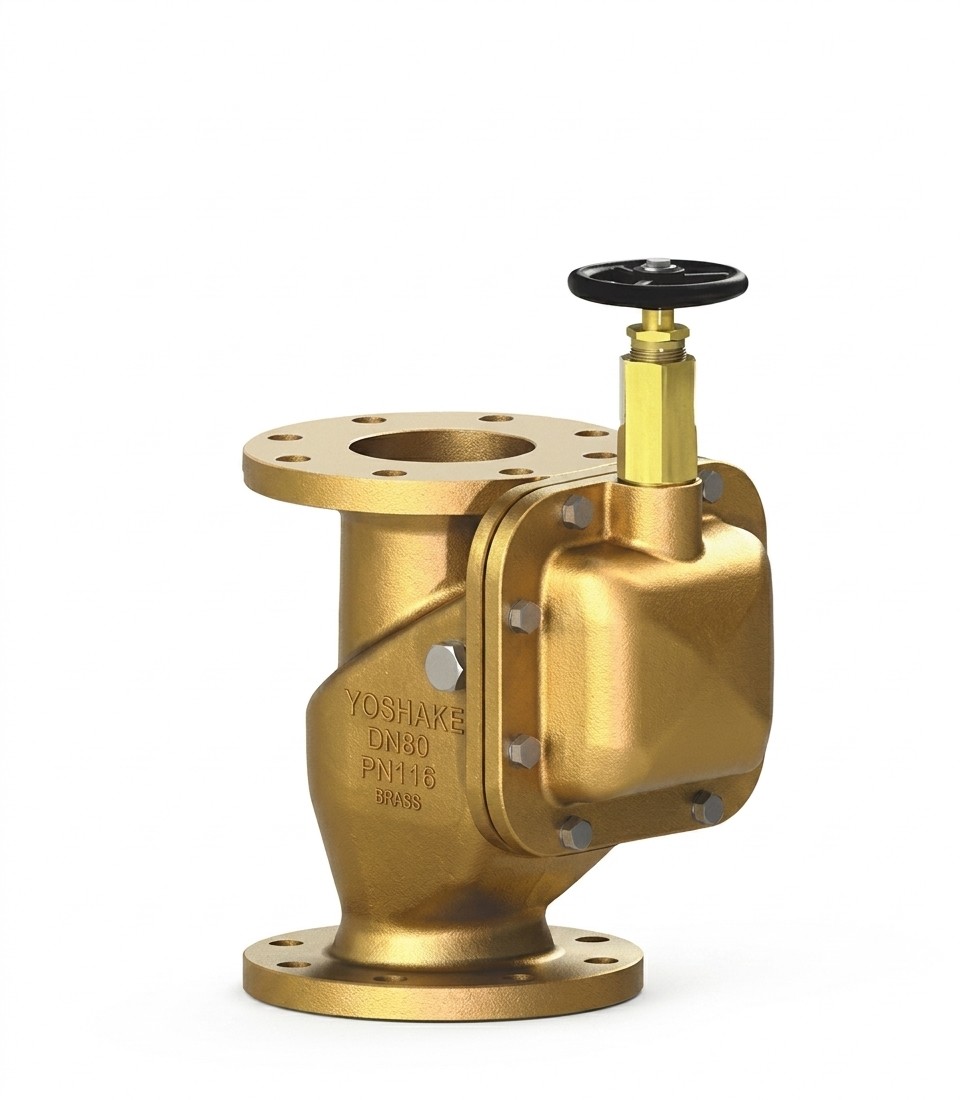
Storm Valve Straight Type
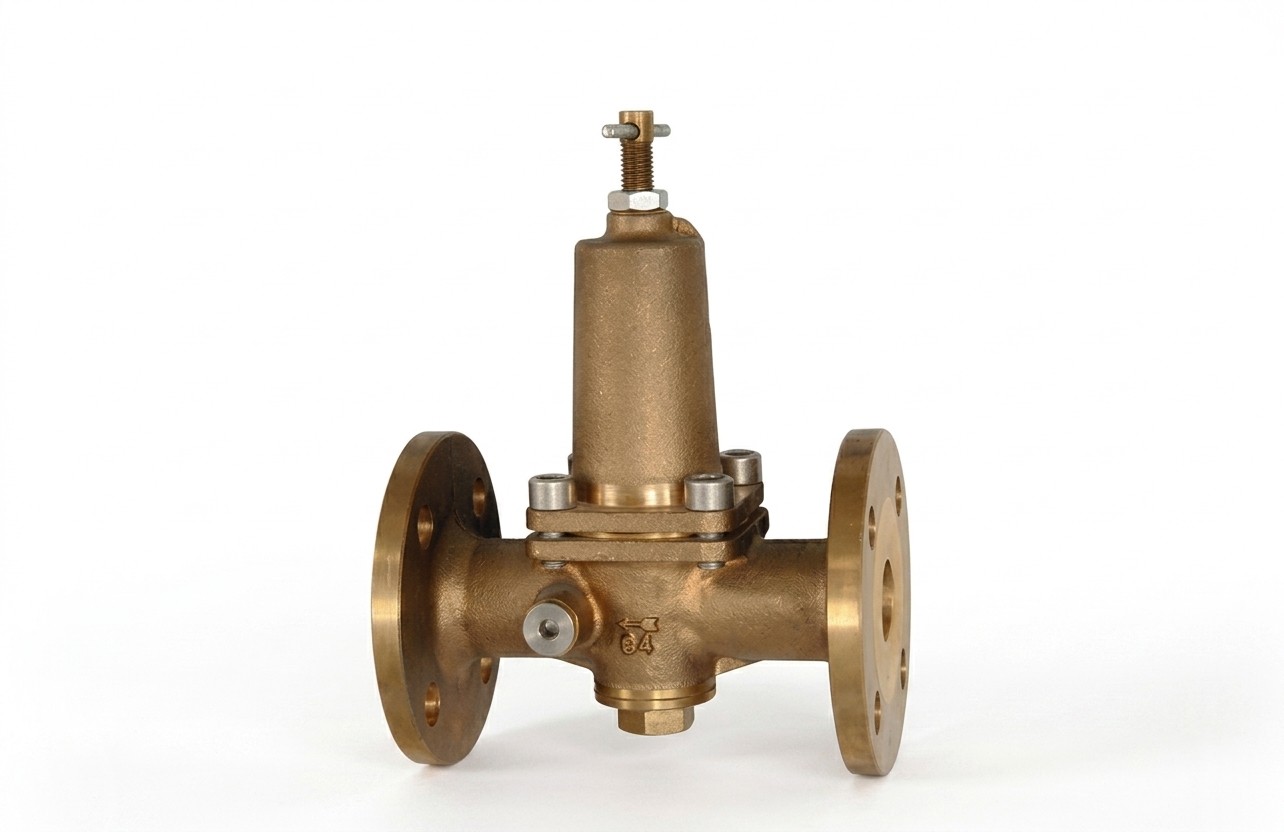
Pressure Reducing Valve

Key Capabilities
Centralized Alarm Monitoring
Monitor critical vessel alarms and equipment conditions through a centralized operator interface.
Real-Time Equipment Visibility
View machinery status, tank levels, pressures, temperatures, power values, valve positions, and other relevant operating parameters in real time.Integrated Vessel Systems
Connect and monitor multiple shipboard systems including engines, generators, PMS, tank gauging, VRCS, fire detection, gas detection, bilge, ballast, and service systems.Alarm Management & Event History
Display alarm banners, alarm summaries, events, faults, acknowledgements, and historical information to support faster fault identification and troubleshooting.Trends & Historical Data
Record and visualize important process values and equipment parameters through historical trends and system data.SCADA & HMI Visualization
Provide clear mimic pages, system overviews, alarm displays, and operator interfaces for intuitive vessel monitoring.Redundant System Architecture
Support redundant PLC, network, and power arrangements designed to improve system availability and operational reliability.Third-Party & OEM Integration
Integrate approved third-party equipment and OEM packages through documented communication interfaces and controlled data mapping.Remote I/O Architecture
Support distributed I/O arrangements that can reduce field cabling requirements and provide flexible system expansion.Cybersecurity Controls
Incorporate controlled network zones, user permissions, firewall protection, restricted workstations, and other measures to support secure system operation.
Material of Construction (MOC) : GM, NAB, CF8, CF8M, WCB
Certifications: RINA, ABS, DNV, IRS, BV, ClassNK